
Heavy-duty resin mortar · 4 mm minimum

Heavy-duty resin mortar floor screeds (4 mm+)

A resin mortar floor consists of a reduced binder proportion combined with a coordinated fine aggregate charge. Spread by squeegee and smoothed by trowel at a minimum thickness of 4 mm, it delivers extreme mechanical resistance and levels rough or sloped concrete substrates.

Request a mortar floor quoteView our projects

HEAVY-DUTY RESIN MORTAR SCREED4 mm minimum
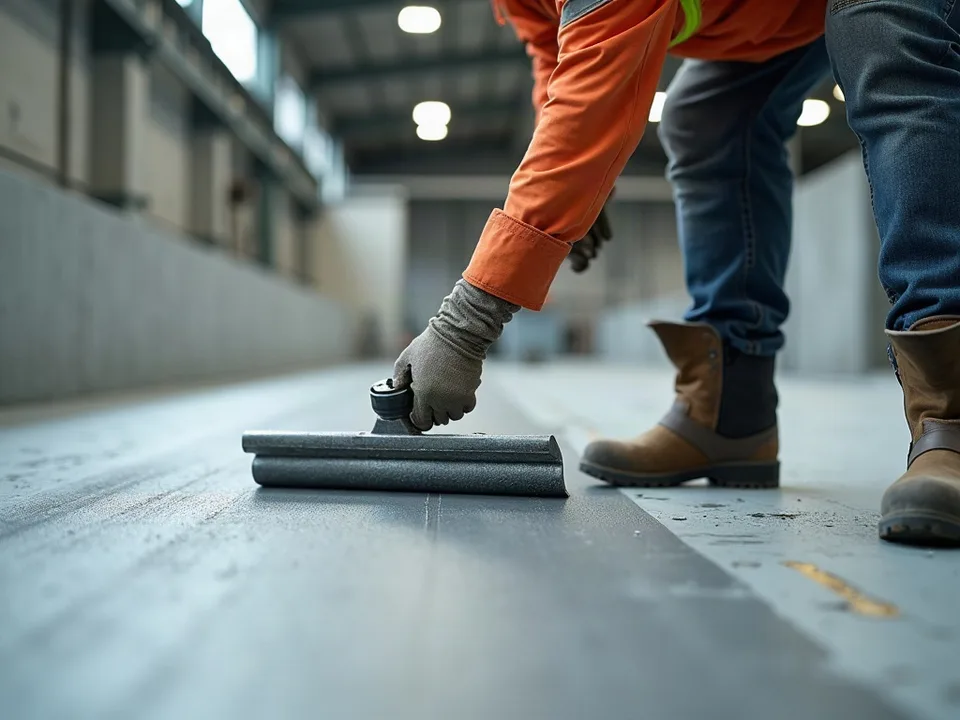
Steel-trowel finishing of a 4 mm minimum heavy-duty resin mortar screed on an industrial concrete slabSqueegee application and steel-trowel finishing (≥ 4 mm)
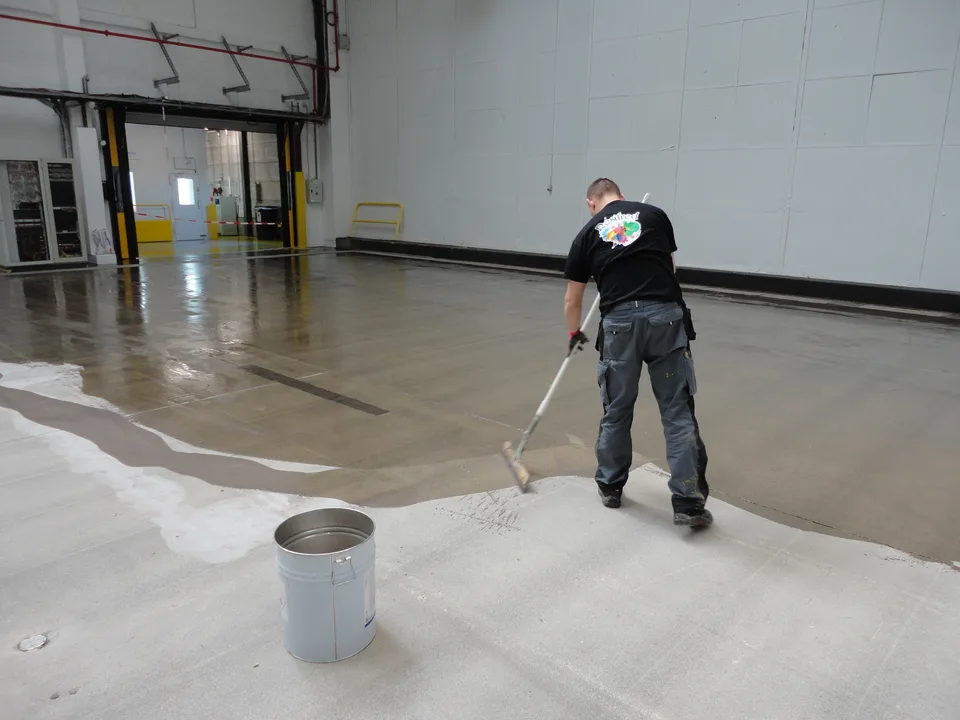
Substrate preparation and levelling of a worn industrial concrete floorLevelling rough concrete slabs
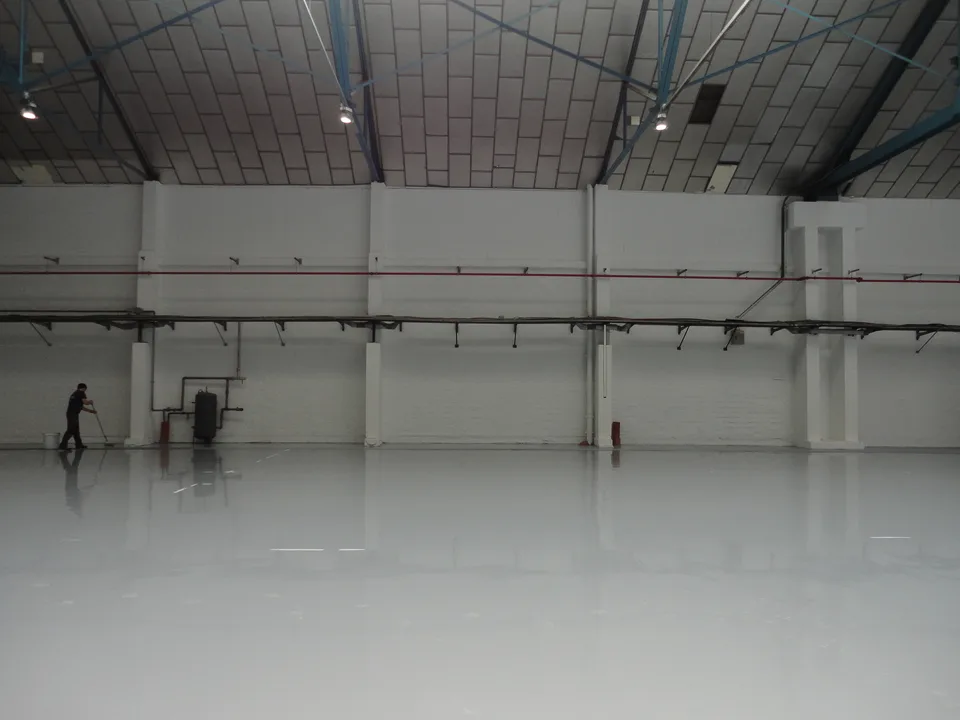
Completed heavy-duty industrial floor following full refurbishment by RésifredExtreme mechanical resistance

Technical properties

Heavy-duty armour for the most demanding industrial floors

With its coordinated mineral aggregate grading and a minimum thickness of 4 mm, a resin mortar screed far exceeds the compressive strength of standard concrete.

  • Extreme mechanical resistance

    Withstands heavy impacts, dropped tools, intensive forklift traffic and high point loads.

  • Levels coarse irregularities

    Re-profiles and levels deeply worn, spalled or damaged concrete slabs in a single pass.

  • Suitable for slopes and falls

    Its non-slump mortar consistency allows accurate shaping of falls to drains and access ramps.

  • Durable slip resistance

    Provides a safe, slip-resistant working surface for industrial production and loading areas.

  • Coved skirtings & transitions

    Can be seamlessly formed into rounded coved skirtings along walls and plinths for industrial hygiene.

  • Refurbishment without demolition

    Rebuilds damaged industrial slabs without the cost and downtime of breaking out existing concrete.

Application areas

When to specify a ≥ 4 mm resin mortar screed

Resin mortar systems are recommended whenever the concrete substrate has major surface defects or operations involve severe mechanical stress.

Heavy industry, mechanical workshops and loading bays

For areas where a thin coating or self-levelling floor would not withstand impact loads.

  • Heavy manufacturing halls, mechanical maintenance bays and metalworking plants
  • Loading docks, high-traffic forklift aisles and heavy pallet storage zones
  • Areas requiring reliable slip resistance without liquid back-pressure requirements
Refurbishment of worn concrete slabs and sloped floors

For restoring older industrial floors or forming controlled drainage slopes.

  • Rebuilding concrete slabs eroded by chemicals, frost or years of heavy traffic
  • Forming drainage falls around gullies, trenches and bunded areas
  • Perimeter anchoring grooves executed per Remmers technical data sheets

In the field

Concrete slab preparation and heavy-duty resin refurbishment

From a worn raw concrete slab to a fully refurbished industrial resin floor by Résifred.

  • Application and steel-trowel smoothing of a 4 mm minimum resin mortar floor
    Installation

    Steel-trowel compaction and smoothing of a coordinated resin mortar (≥ 4 mm)

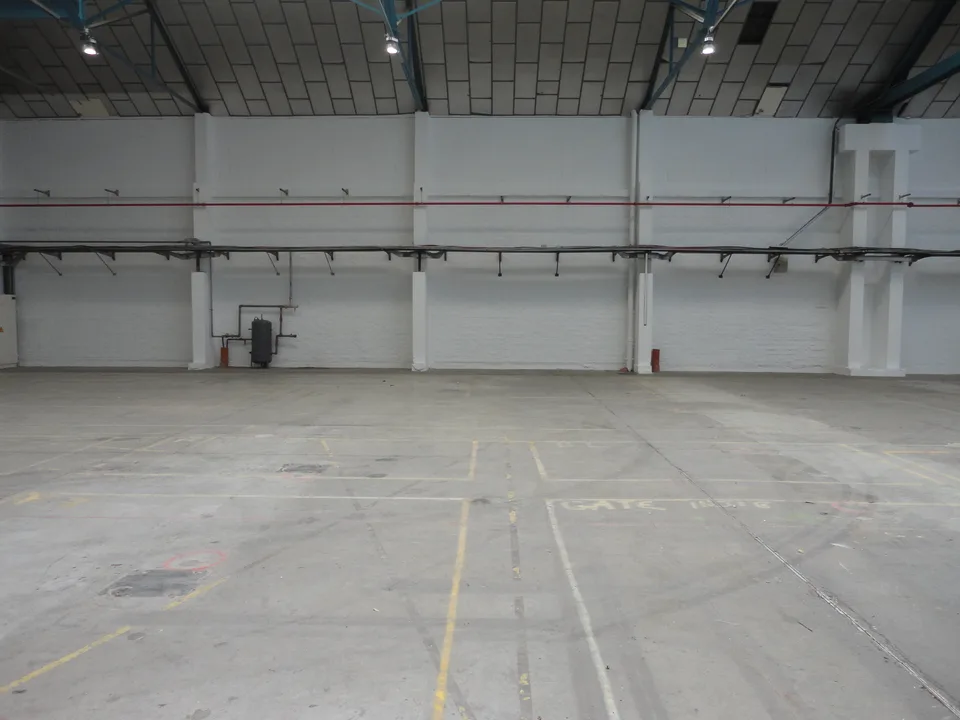
  • Worn industrial concrete slab with faded markings prior to refurbishment by Résifred
    Before works · 1,000 m²

    Initial condition of a 1,000 m² industrial concrete slab before preparation

  • Same 1,000 m² industrial hall following full resin floor refurbishment by Résifred
    After works · 1,000 m²

    Same 1,000 m² hall after mechanical preparation, levelling and resin application

Explore all our projects

Installation process

How a resin mortar floor is installed

  1. Step 1 : Milling, shot-blasting & grooves

    Intensive mechanical preparation down to sound concrete and saw-cutting of anchoring grooves.

  2. Step 2 : Wet-on-wet bonding primer

    Application of a rich epoxy bonding bridge onto which the mortar is laid wet-on-wet.

  3. Step 3 : Squeegee spreading & trowelling

    Spreading the mortar at ≥ 4 mm thickness followed by compaction and smoothing with a steel trowel.

  4. Step 4 : Pore sealing per specification

    Left with an open anti-slip profile or sealed with a pore-closing coat depending on liquid exposure.

Frequently asked questions about resin mortar floors

What is the minimum thickness of a resin mortar floor?

A resin mortar screed is applied at a minimum thickness of 4 mm and can be built up to 6–10 mm or more to level coarse irregularities in the concrete slab or form drainage slopes.

Can a resin mortar floor be installed on an incline?

Yes. Unlike liquid self-levelling resins, mortar has a non-slump consistency that makes it ideal for ramps, sloped floors and drainage falls.

Does the old concrete slab need to be demolished first?

In most cases, no. After thorough mechanical preparation (scarifying or shot-blasting), the resin mortar bonds monolithically to the existing slab to create a brand-new, ultra-dense wearing course.

Your free quote

Get in touch today to assess your substrate and receive a free quote for your industrial or decorative resin floor.

Request a quote