Poured self-levelling resin · Up to 3 mm

Self-levelling liquid resin floors (epoxy & PU)

Self-levelling liquid resin floors smooth out minor irregularities in the substrate and flow into a seamless, mirror-smooth surface up to 3 mm thick — ideal for industrial assembly halls, antistatic paint lines, laboratories and contemporary interiors.

Request a self-levelling quoteView our projects

SELF-LEVELLING LIQUID RESINUp to 3 mm
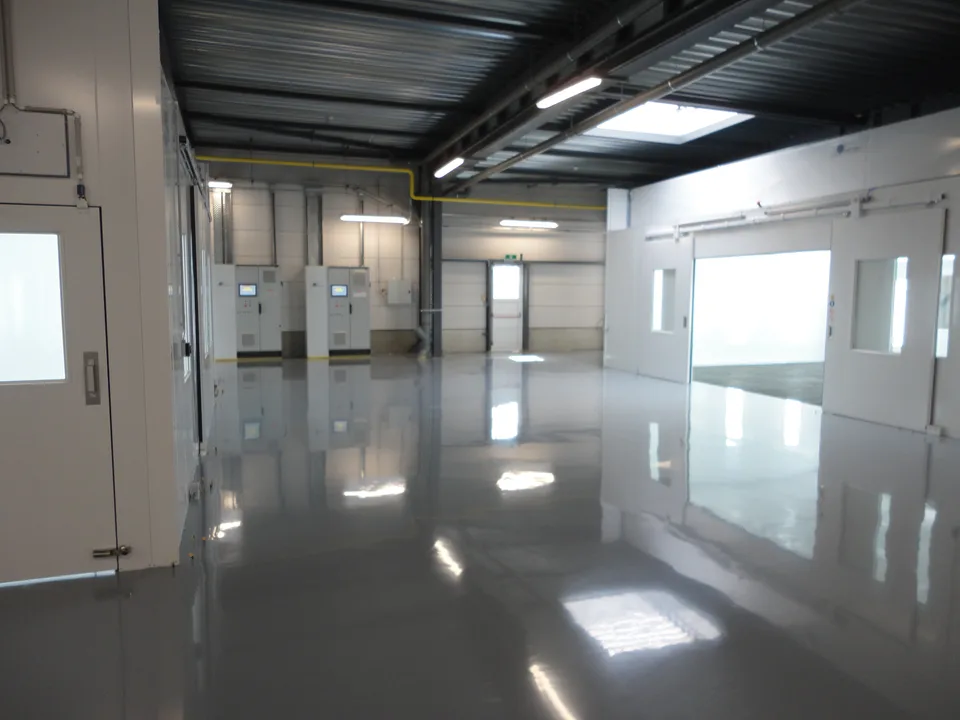
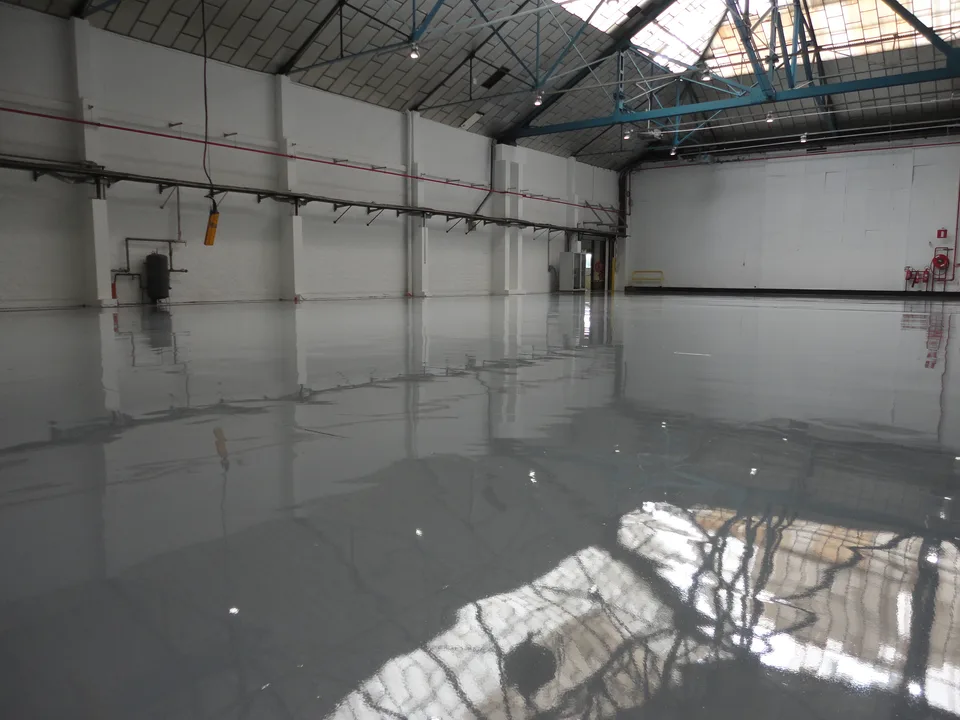
3 mm self-levelling epoxy resin floor delivering a mirror-smooth surface across a 1,000 m² hallSeamless self-levelling surface (1,000 m² industrial hall)
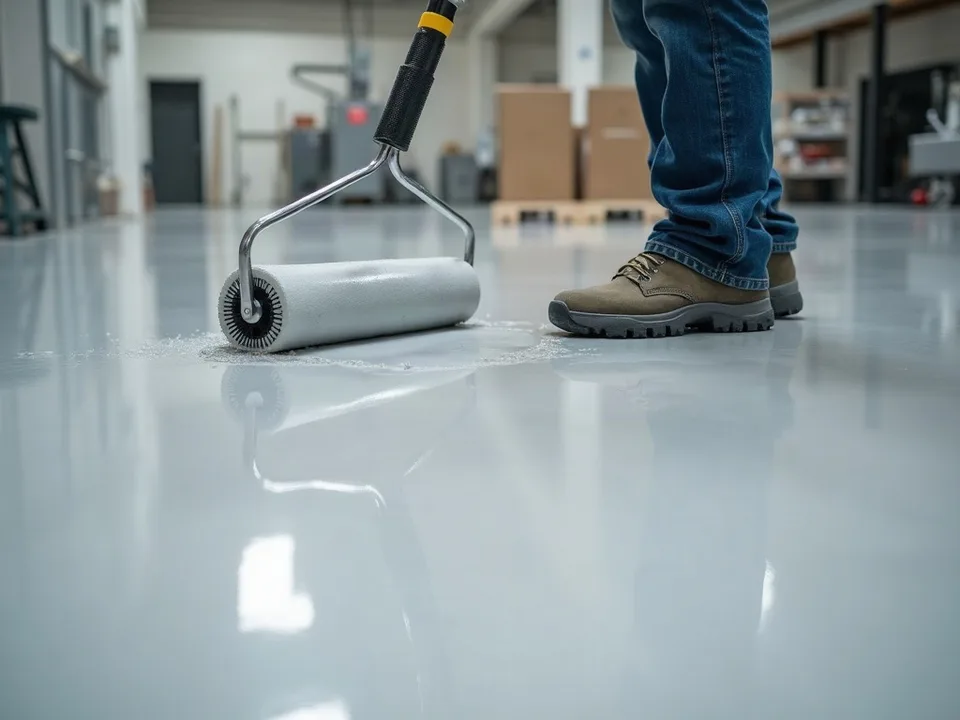
Application and roller de-airing of a self-levelling liquid resin floorSpreading & de-airing
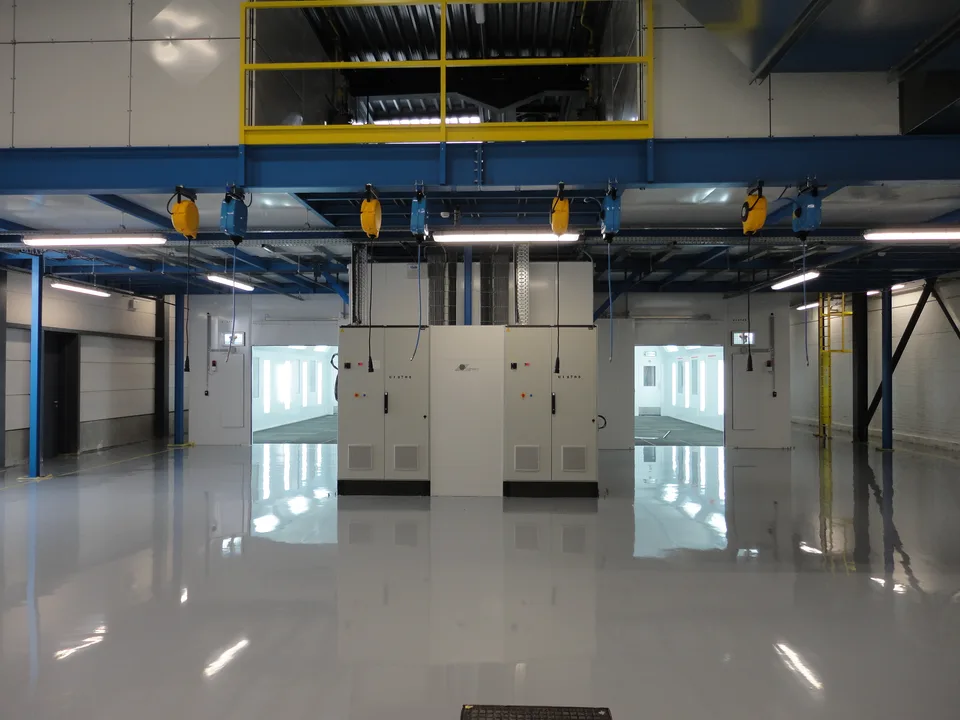
1,000 m² paint hall fitted with a 3 mm antistatic self-levelling epoxy floorAntistatic or decorative grade

Technical properties

Key benefits of a self-levelling resin floor

Applied at thicknesses up to 3 mm, a self-levelling floor combines mirror-like flatness, modern aesthetics and dependable industrial resistance.

  • Self-levelling flow

    Controlled resin fluidity automatically levels out minor roughness and imperfections in the substrate.

  • Mechanical & chemical resistance

    Withstands dynamic rolling loads, trolley traffic and common industrial chemical spills.

  • Seamless hygiene

    Monolithic, non-porous surface with zero joints where dirt, dust or bacteria could accumulate.

  • Antistatic (ESD) option

    Available as a 3 mm antistatic epoxy floor for industrial paint lines, electronics and ATEX zones.

  • Industrial or decorative finish

    Pigmented in a wide range of colours with gloss or satin finishes suited to factories and modern interiors.

  • Easy maintenance & renewal

    Effortless daily cleaning and straightforward long-term refurbishment by applying a fresh topcoat.

Application areas

Where to specify a self-levelling liquid floor

Self-levelling resin systems meet the demands of both modern industrial facilities and architectural commercial or residential interiors.

Manufacturing, assembly halls and clean production

For areas exposed to dynamic loads and requiring strict cleanliness.

  • Assembly workshops, industrial paint halls (3 mm antistatic epoxy) and precision engineering
  • Laboratories, pharmaceutical facilities, cleanrooms and packaging lines
  • Perimeter anchoring grooves cut in accordance with the system technical data sheet
Commercial spaces, showrooms and modern interiors

For new builds or refurbishments seeking a sleek, continuous architectural floor.

  • Showrooms, retail spaces, offices, reception halls and medical practices
  • Contemporary homes, living areas and seamless wet rooms
  • Optional flexible polyurethane resin formulations for enhanced foot comfort and acoustics

In the field

1,000 m² industrial halls completed in 3 mm self-levelling epoxy

Explore our 3 mm self-levelling epoxy flooring projects in Wallonia.

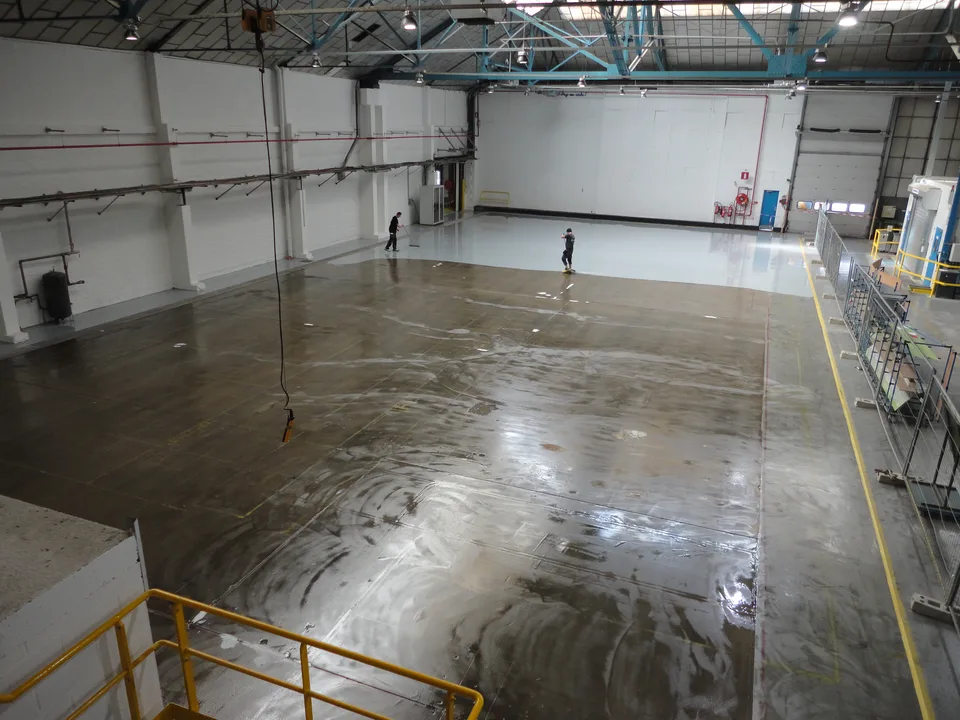
  • 3 mm self-levelling epoxy floor inside a 1,000 m² industrial assembly hall
    Assembly hall · 1,000 m²

    3 mm epoxy floor with finishing topcoat across a 1,000 m² work zone

  • 1,000 m² industrial paint hall fitted with a 3 mm antistatic epoxy resin floor
    Paint hall · 1,000 m²

    3 mm antistatic epoxy floor installed for a new 1,000 m² paint line

  • Wide perspective of an industrial hall under roof skylights with a seamless grey epoxy floor
    Wallonia

    Optimal flatness and light reflection across a 1,000 m² industrial floor

  • Glossy finish of the antistatic epoxy floor around blue structural steel columns
    Paint hall · 1,000 m²

    Precision detailing around structural column bases and plant equipment

  • Roller de-airing of a freshly poured self-levelling liquid resin floor
    Application

    Spreading and spiked-roller de-airing for a flawless surface

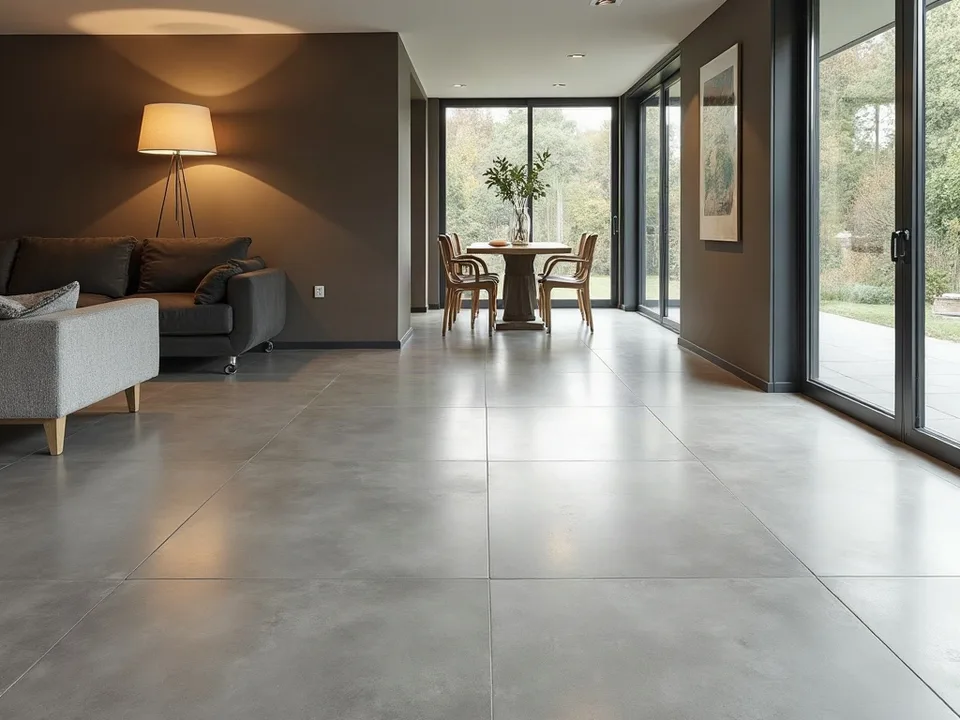
  • Satin decorative resin floor inside a contemporary interior space
    Decorative floor

    Seamless decorative resin flooring for contemporary indoor spaces

View the Before / After comparison

Technical protocol

How we install your self-levelling floor

  1. Step 1 : Mechanical prep & grooves

    Shot-blasting or diamond grinding of the slab, crack repair and cutting of anchoring grooves.

  2. Step 2 : Primer & scratch coat

    Epoxy primer and scratch coat to seal concrete pores and level micro-voids.

  3. Step 3 : Pouring & de-airing

    Spreading the self-levelling resin with a notched squeegee up to 3 mm and rolling with a spiked roller.

  4. Step 4 : Optional finishing topcoat

    Application of a protective sealer (gloss, satin, matt or antistatic) tailored to your specification.

Frequently asked questions about self-levelling floors

What thickness is recommended for a self-levelling floor?

A self-levelling liquid resin floor is applied at up to 3 mm thickness (typically between 1.5 and 3 mm), depending on the roughness of the concrete substrate and the level of dynamic and mechanical loading.

Do you install antistatic (ESD) epoxy floors?

Yes. For example, we installed a full 3 mm antistatic epoxy floor across a 1,000 m² hall housing a new industrial paint line, preventing any electrostatic charge build-up.

Why are anchoring grooves sometimes required?

In accordance with Remmers technical data sheets, anchoring grooves are saw-cut along perimeters, doorways and drainage channels to mechanically lock the resin layer into the concrete slab.

Your free quote

Get in touch today to assess your substrate and receive a free quote for your industrial or decorative resin floor.

Request a quote